Discover the hidden gems that make the Everest Base Camp Trek truly unforgettable. From charming Sherpa villages and iconic mountain cafés to ancient monasteries, breathtaking viewpoints, and local secrets, this guide by Yeti Expeditions helps you experience far more than just reaching Base Camp.
The trail to Everest Base Camp is filled with rich experiences at each of its stops. Apart from staggeringly majestic mountain views to accompany you, there are some hidden and some -not-so-hidden gems on the trail that you cannot miss.. Our Trek Leader Gurdit has suggestions for you:
Lukla (9,383 ft)
Lukla, known as the Gateway to Everest Region, is where it all begins. The flight to Lukla itself is an experience- the airport has the reputation of being one of the most dangerous airports in the world. This is because of its short runway that slopes off abruptly into a cliff. The flight is a heart-pounding experience, as it almost looks like the pilot is heading straight towards the cliff before making the landing on the runway.
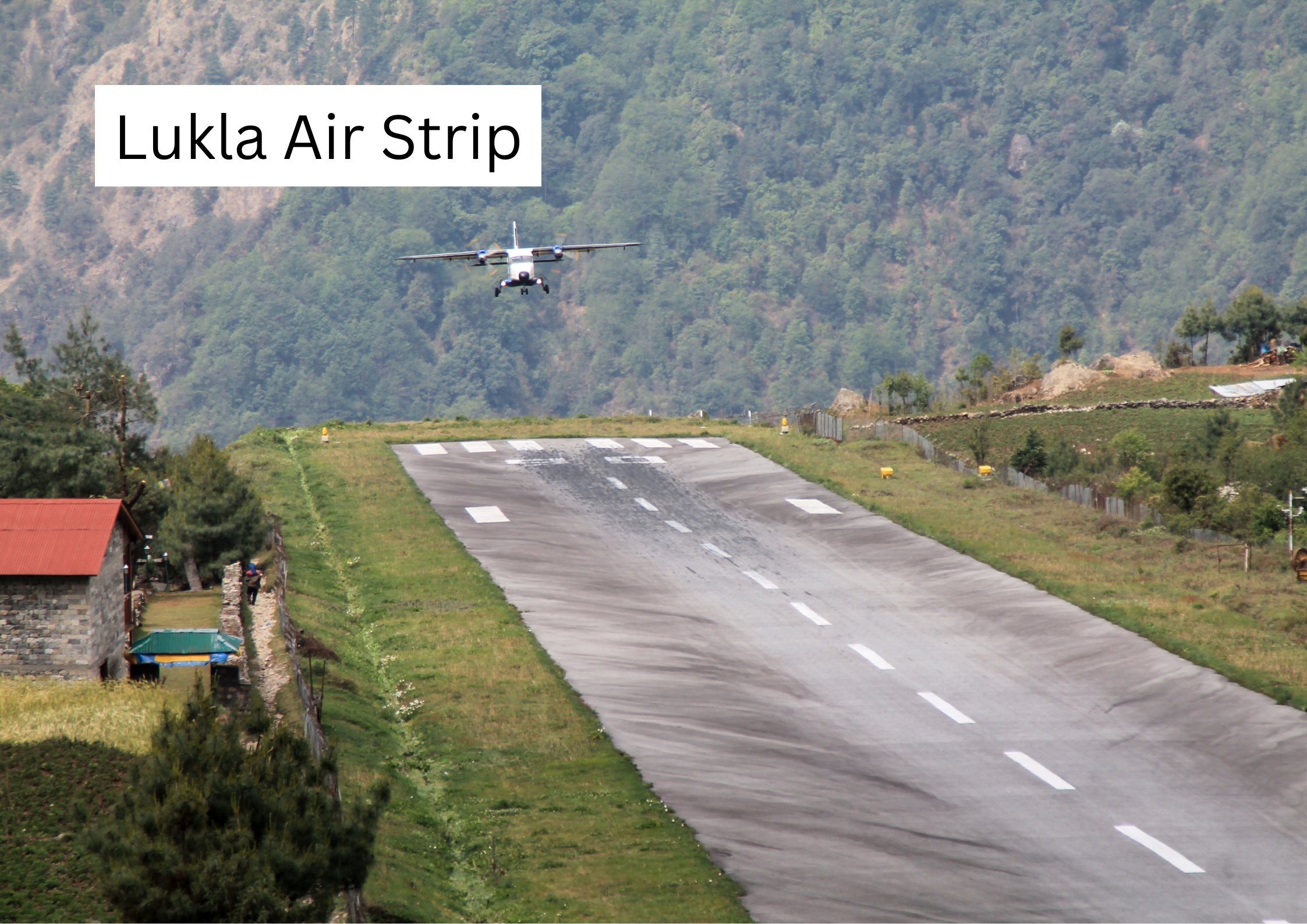
During this 20 minute flight (if you are coming from Ramechhap) or 35/40 minute flight (if you are coming from Kathmandu), trekkers are treated to bird-eye view of lush valleys dotted with villages, and panoramic view of the Himalayas.
- The Lukla village
Once you are at Lukla, our Trek Leader Gurdit suggests exploring the Lukla village, which is a 5 minute walk down from the airstrip. Away from the hotels that have cropped up near the airport, the Lukla village has a rustic charm with its traditional houses and stone-paved paths. It’s quite a small village, so once you approach the end point of the village - you will be able to see the entire valley.
From the end point, there is also a restricted path from where you can see the airstrip, where you can actually see the landing and take off of the flight. However, this path should be taken with caution - this is a restricted area and not a lot of people are allowed here.
Note: In most itineraries to Everest Base Camp, after you land in Lukla, you move on to Phakding for the night. So you may be short on time for this exploration. You can consider exploring the village on your return from Everest Base Camp trek.
- Visit Cafe Danphe
However, you can consider resting in Cafe Danphe for 10 minutes before starting out for Phakding. You can have freshly baked bread from its woodfire ovens. The coffee and cookies here are also a nice refreshment after the flight.
Namche (11,286 ft)
As the administrative centre of the Khumbu region, the Namche Bazaar is the major acclimatisation stop on most Everest Base Camp itineraries. With innumerable cafes, souvenir shops, and museums, there are a host of things to do in this town known as the Sherpa capital. Our suggestions are:
- Sagarmatha National Park Museum
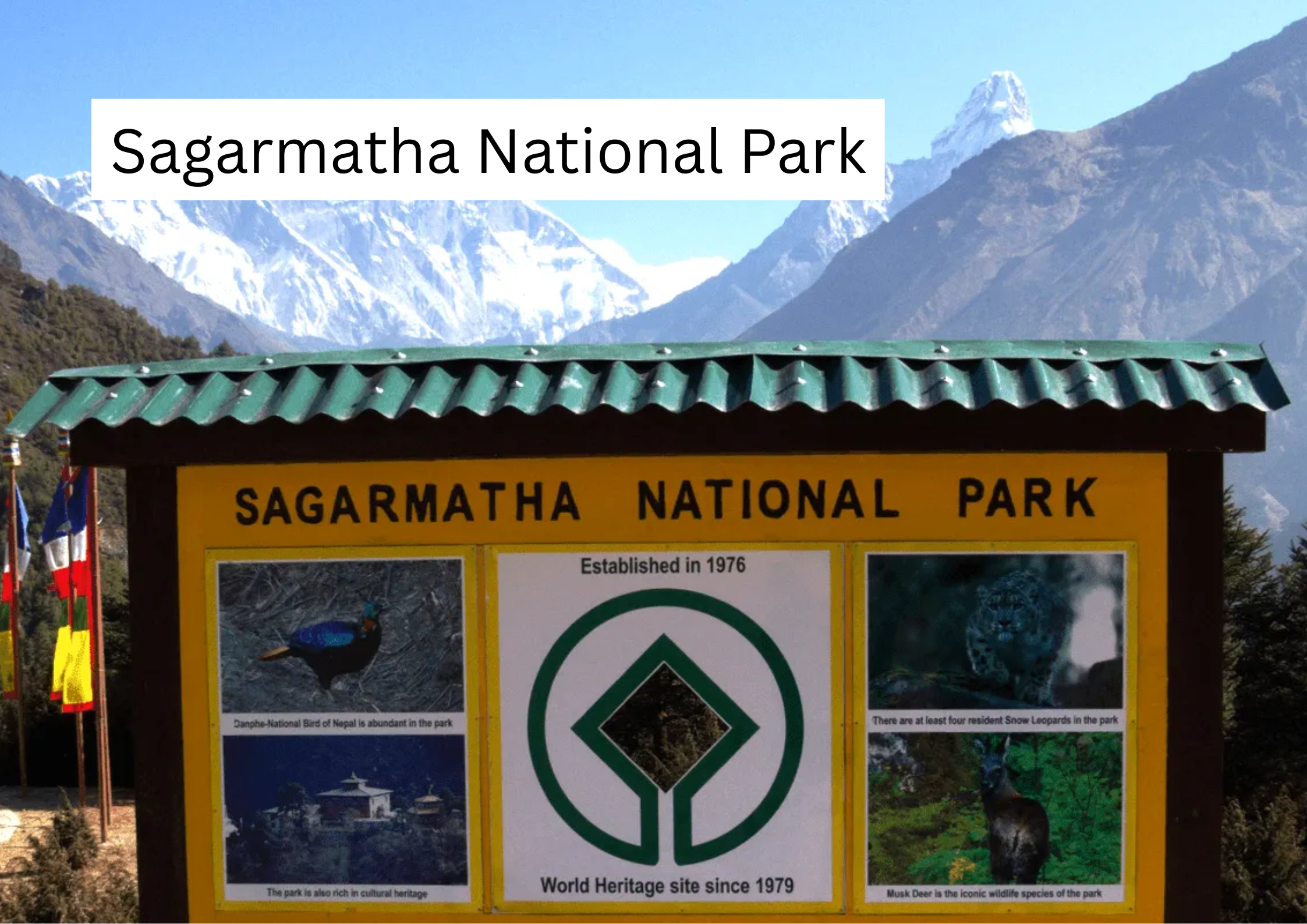
This is where you get to all you need to know about the Everest region: the geography, the fragile ecosystem that inhabits it and the history of Mt. Everest.
- Hiking to Everest View Hotel
The acclimatisation hike to Everest View Hotel on the days you stay in Namche Bazaar is often a major highlight of the trek. The hotel is located as such that it gives you a 360 degree view of the Everest range. The hotel is designed in such a way that you can see Mt. Everest from every room!
This hotel was designed by Japanese architect Yoshinobu Kumagaya, at the request of Takahashi Miyahara. It was Miyahara’s dream to build a world class hotel at this location - he nursed this dream ever since he first saw the Everest range from a ridge in Syangboche in the spring of 1968. The hotel opened to the public in 1971. It was quite a feat during that time since a lot of the construction was done under very difficult conditions. With little to no access to roads, the materials were taken on the back of porters or sometimes, helicopters. It is no wonder this hotel is considered a UNESCO World heritage site.
- Visit Cafes and buy souvenirs
Namche Bazaar, even as its a trekking hub, is very cosmopolitan in nature. It is a good place to unwind, buy souvenirs, chat with trekkers from across the world in cafes. There are also a lot of painting shops where you can get some souvenirs - however, we suggest buying souvenirs on your return. Otherwise, it becomes an extra weight to lug around during the trek.
Our Trek Leader Gurdit suggests going to SHERPA BARISTA BAKERY AND COFFEE SHOP NAMCHE. With its wooden interior, their sitting area has a lovely, warm atmosphere. The carrot cake and coffee here are a must-try. He also personally enjoys their blackforest cake - so it is something you can consider trying as well.
Himalayan Java Coffee is also a very popular cafe in Namche Bazaar - and it is known for its specialty coffee. Although the food menu there is limited, the unique coffee is definitely something you should try.
Tengboche (12, 687 ft)
Tengboche, housing one of the largest monasteries in the region, is a deeply spiritual destination. It is not just a place of cultural significance for the Sherpas - trekkers and mountaineers often go to the monastery to receive blessings for their journey deep into the Everest region. The peaks of Ama Dablam and even Everest will be sitting undisturbed right before you as you make your prayers.
The significance of the monastery is such that when it was destroyed in the 1934 earthquake and once again by a fire in 1989, it was rebuilt with international support. If you want to visit the monastery before it closes, aim to reach Tengboche before 4 pm. There will be an entry fee of approximately 300 NPR (the fee might change).
Tip to enhance your experience: Carry binocular on this trek. It will be especially helpful to see the mountains up close.
(14,470 ft)
Dingboche is a peaceful high altitude village sitting in a valley surrounded by Ama Dablam on its south, Lhotse on its north side and Cholatse on its west. Ama Dablam in particular is very, very close. It makes the sunsets and the moon rise from the village a surreal experience. If you are trekking with Yeti Expeditions, we also take you on an acclimatization walk from the village to Nangkartshang Peak where you can see 270 degree view of the surrounding ranges.
At Dingboche, our Trek Leader suggests visiting Cafe 4410. Cafe 4410, named so because of Dingboche’s height, is a very beautiful cafe and offers a great degree of comfort - a rarity in such altitudes. Every evening, they play an informative documentary for you to watch and they also offer charging ports for your mobile phone free of charge, provided that you are ordering food there. (You have to pay for this service in teahouses).
Tukla Pass (15,846 ft)
Tukla pass comes between Dingboche to Lobouche. Tukla Pass is memorable for many reasons - the key reason being the memorial site dedicated to all the people who died on Mount Everest and other peaks in the region.
The stories of all these mountaineers - Rob Hall, Babu Chiri Sherpa, Scott Fischer - are written on memorial plaques. It is a place to read, reflect and honour those who have lost their lives on the mountains.
In this solemn atmosphere of the pass, you are greeted with views of Pumori, Cholatse and if you are lucky, even the very distant Nuptse makes an appearance.
Lobouche (16,207 ft)
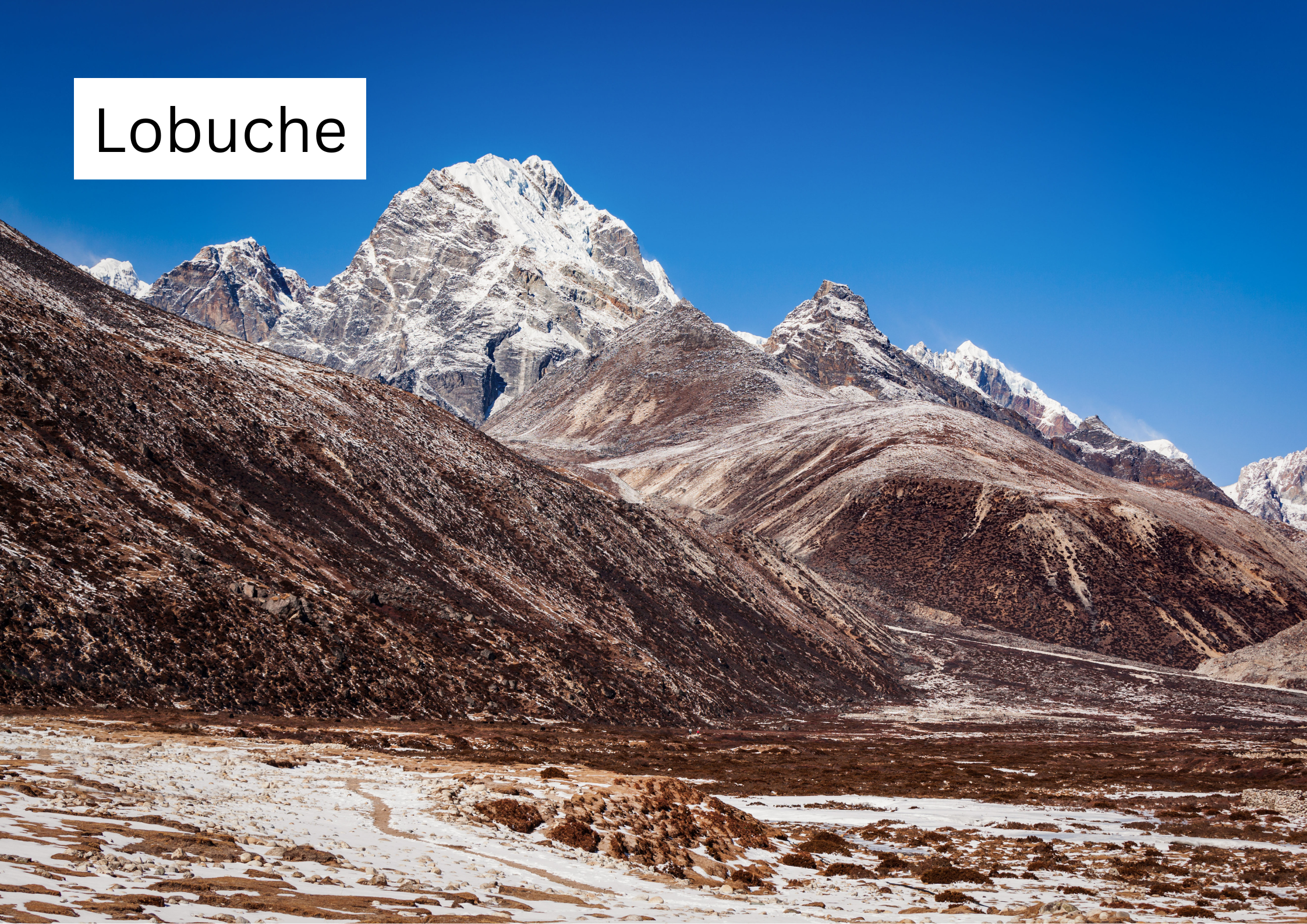
Labouche is a beautiful valley, surrounded by rugged, glaciated terrain. As it is one of the last stops on Everest Base Camp trail, you get to see Nuptse, Pumori and even parts of Khumbu glacier. Nuptse is especially close, and witnessing the sunset on this mountain during autumn is an amazing experience.
If you can, plan your trek in such a way that you end up in Labouche on a full moon night. The night sky from Labouche is extremely grand, with a spider-web of constellations in the sky and the silver glow of mountains under the light of the moon. It is an image that stays with you, long after you finish the trek.
Little ahead of Labouche, on the way to Gorakshep is one of the highest bakeries you can visit. Coffee here is something you must try.
Tip to enhance your experience: Carry a (lightweight) tripod if you are into amateur photography. The pictures of the night sky from here will be a precious souvenir.
Gorakshep (16,942 ft)
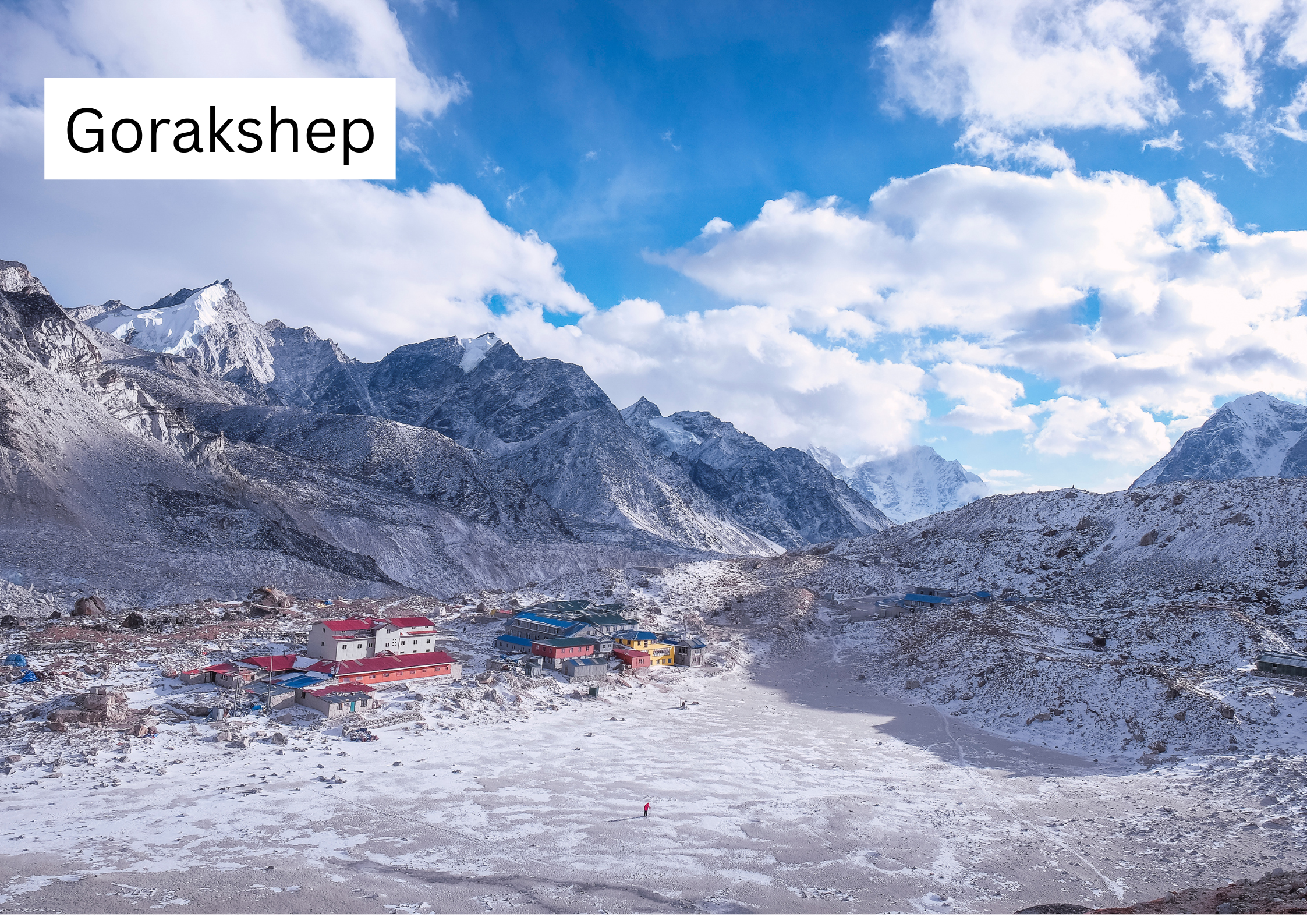
Gorakshep is the last stop on the trail before the Everest Base Camp. Being so close to the Everest Base Camp, the village is surrounded by some of the highest peaks in the world and their glaciers. This stark landscape gives the village a very raw sense of beauty.
From Gorakshep, going to Everest Bamp is the major highlight. However, you won’t be able to see Everest from the base camp. For this, we recommend going to Kala Pathar. From here, you can see clear views of the Khumbu glacier, Khumbu icefall, Everest and its surrounding peaks, Lhotse and Nuptse. We recommend timing your hike to Kala Pathar from Gorakshep so that you reach the top while the sun is about to set.
Tip to enhance your experience: If you have the budget and want to experience something unique, you can take a helicopter for Gorakshep to Lukla. It gives you an entirely different perspective of the trails you walked on. It should cost you approximately 500 USD on a shared basis.
Pheriche (14,340 ft)
On your return, the 2 hour walk to Pheriche from Tukla Pass is a definite highlight. Since Pheriche is in a flat, broad valley that is hemmed in by peaks such as Ama Dablam and Cholatse, it feels like you are walking among them. If you are walking to Pheriche on a cloudy day, you will see wisps of clouds passing through the mountains or clinging to the high points of their summits. It makes the entire walk even more magical.
Pheriche is also known for Himalayan Rescue Association clinic. The clinic offers medical assistance to trekkers and education about high altitude trekking. If you are inclined, you can attend one of their briefings on altitude sickness. These happen daily at the clinic.
Kyangjuma (11,646 ft)
On your return, you usually go back to Namche Bazaar. However, if you want to stay in a quieter place, we recommend Kyangjuma. Kyangjuma is a small village sitting on top of a hill, one hour before Namche if you are descending from the EBC trail.
The trail to the village goes along pastures where yaks graze. You may see yaks and yak herders as you trek to the village. Although the village is small and has only 2-3 teahouses, the village also has the best views of Ama Dablam. It is a great place to reflect on the end of your Everest Base camp trek.